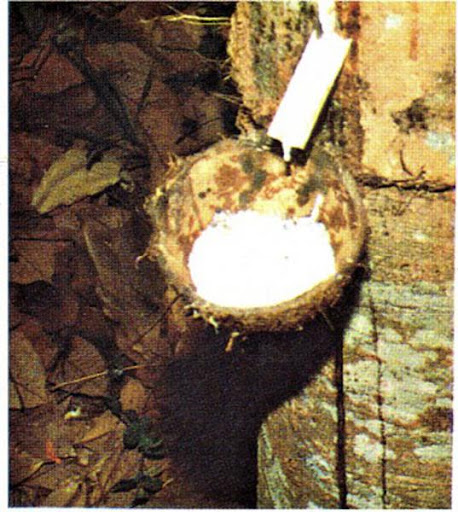
 Rubber jumped by the most in three months, rising to a record as crude oil’s rally boosted the appeal of the commodity and rain in Asian growing regions curbed output, raising concern that supply tightness may worsen.
The July-delivery contract gained as much as 3.8 percent before settling at 489.9 yen on the Tokyo Commodity Exchange. In after-hours trading, the most-active contract surged to an all- time high of 499.9 yen a kilogram ($6,120 a metric ton). Transactions in this session will be settled tomorrow.
Oil climbed for a second day as protests in Egypt turned violent, prompting concern that supplies may be disrupted and unrest may spread to other parts of the Middle East. Persistent rainfall inThailand’s key plantation areas has limited supply, according to the Rubber Research Institute of Thailand.
“Tight supply of rubber and a strong auto market boosted the price to a new high,” Gu Jiong, an analyst at commodity broker Yutaka Shoji Co., said by phone from Tokyo. “Oil trading above $90 a barrel is also supportive.”
The most-active contract climbed 12 percent last month, extending last year’s 50 percent rally, as supplies from Thailand, Indonesia and Malaysia, the top three growers representing 70 percent of global supply, were curbed by rain while rising car sales led by China and Indiaimproved demand.
La Nina, which started in June and usually lasts for nine months or more, has led to higher than average rainfall in most parts of Southeast Asia. The weather event’s strength may decrease during the next four months, the Malaysian Meteorological Department said in response to questions, supporting forecasts by the World Meteorological Organization.
‘Major Impact’
The weather event is having a “major impact” on rubber and palm oil production in Malaysia, as heavier rainfall may hamper harvesting and tapping, the Malaysian Meteorological Department said yesterday.
The physical price of natural rubber in Thailand, the world’s largest supplier, advanced to 180.55 baht ($5.84) a kilogram today from 178.55 baht yesterday, the Rubber Research Institute of Thailand said. The price reached a record 181.55 baht on Jan. 25.
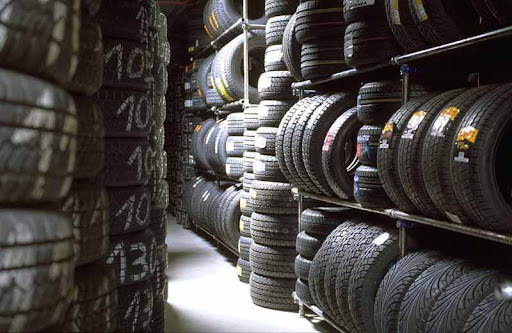
Bridgestone Corp., the world’s largest tiremaker, said it will raise tire prices in North America by as much as 8 percent on April 1 because of the increasing cost of raw materials.
The Shanghai market will be closed until Feb. 8 for Lunar New Year holidays. May-delivery rubber in Shanghai climbed to a record 41,850 yuan ($6,350) a ton on Jan. 31.
Natural-rubber consumption in China may rise 9 percent to 3.6 million tons this year and India’s consumption may gain 5.2 percent to 991,000 tons, according to the Association of Natural Rubber Producing Countries.
China’s natural-rubber inventories rose for the first week in four, adding 126 tons to 58,673 tons, based on a survey of 10 warehouses in Shanghai, Shandong, Yunnan, Hainan and Tianjin, theShanghai Futures Exchange said on Feb. 1. That was a 61 percent decline from last year’s peak of 151,832 tons.
Car sales growth in China will be around 10 to 15 percent this year, the China Association of Automobile Manufacturers said Jan. 10. Total auto sales, which include cars, trucks and buses, jumped 32 percent last year to 18.06 million, the association said.

 BANGKOK, Feb 3 - Tokyo rubber futures hit another record high on Thursday on the back of firm oil prices, tight supply and a pause in the yen's rise, dealers said.
 hursday, February 3, 2011
 Thursday, February 3, 2011
 Muscatine, Iowa (February 1, 2011) - Bridgestone Bandag Tire Solutions (BBTS), a division of Bridgestone Americas Tire Operations, today announced a 12% price increase on its Bridgestone and Firestone brand truck and bus radial tires, effective immediately.
  The Colombo Rubber Auction experienced a drop in prices for all grades of rubber as the exporters slowed down their purchases in lieu of the Chinese Lunar New Year holidays.
 OCHI: Export prospects have opened up for natural rubber with domestic prices ruling substantially lower than the international prices. Though shipments started picking up only by November 2010, total exports are likely to catch up with the last financial year’s level.